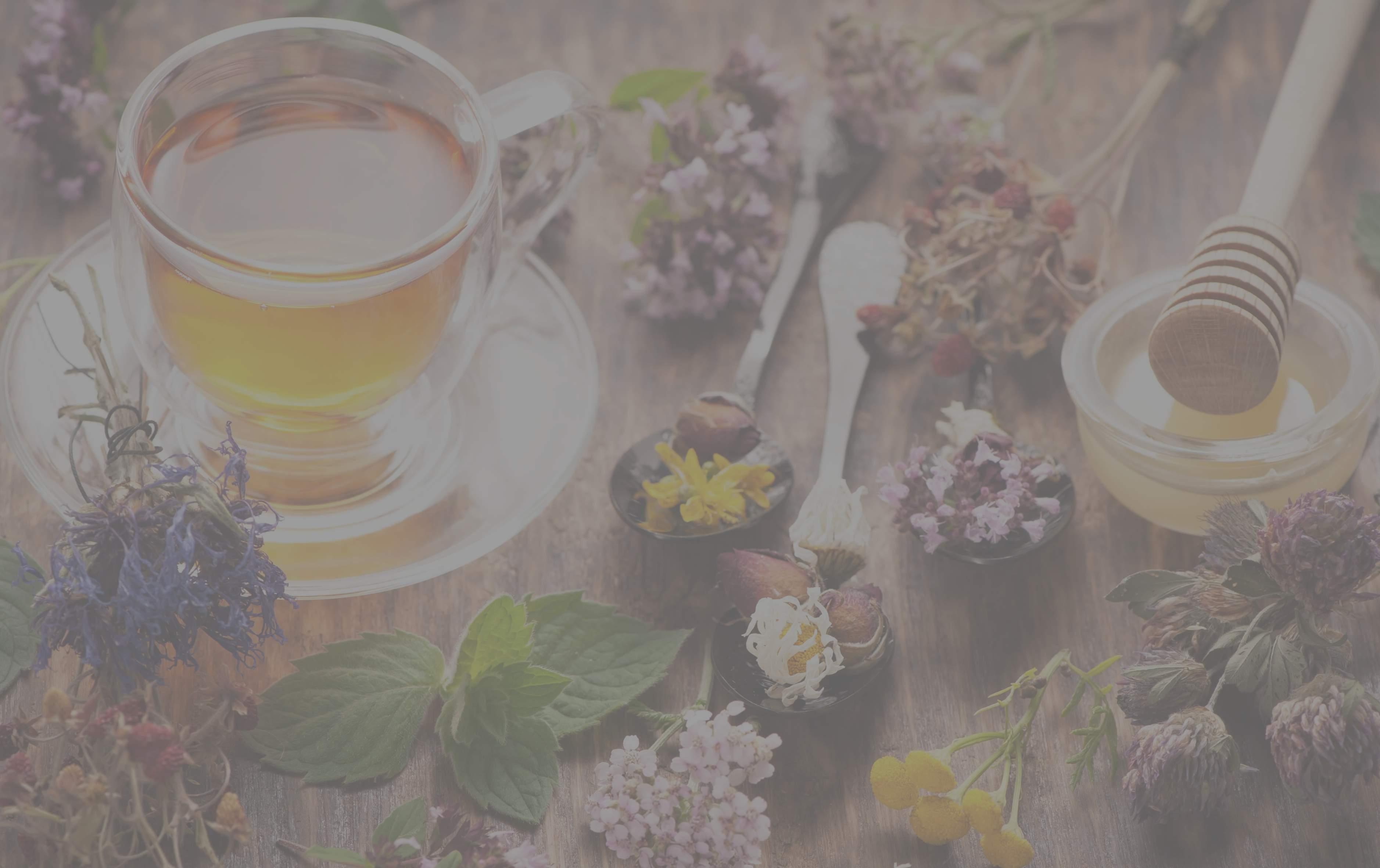
Chamomile, valerian root, lavender, lemon balm, and passionflower are the most evidence-backed herbal teas for sleep support. They promote relaxation rather than acting as a sedative.
Chamomile
The most well-known sleep-supporting tea, and for good reason — chamomile contains apigenin, a compound that binds to certain brain receptors that may promote sleepiness and reduce anxiety.
Valerian Root
One of the more researched herbs for sleep, with some studies suggesting it may help people fall asleep faster and improve overall sleep quality. It has an earthy, strong flavor — try it blended with mint or chamomile.
Lavender and Lemon Balm
Lavender tea has a calming reputation, and its scent alone has been shown to reduce anxiety in several studies. Lemon balm is a gentle, lemon-scented herb traditionally used to ease restlessness before bed.
Building a Sleep Tea Routine
Brew your tea 30-45 minutes before bed. Keep the room dim while you drink it. Avoid pairing with screens right before bed — the habit matters as much as the tea itself.

Frequently Asked Questions
Can I combine multiple sleep herbs together?
Mild herbs like chamomile, lemon balm, and passionflower are commonly blended. Start with one to see how your body responds.
How long before sleep teas show results?
Most people notice improvements in sleep quality within one to two weeks of nightly use.
This article is for informational purposes only and is not a substitute for professional medical advice. Consult a healthcare provider for chronic insomnia.