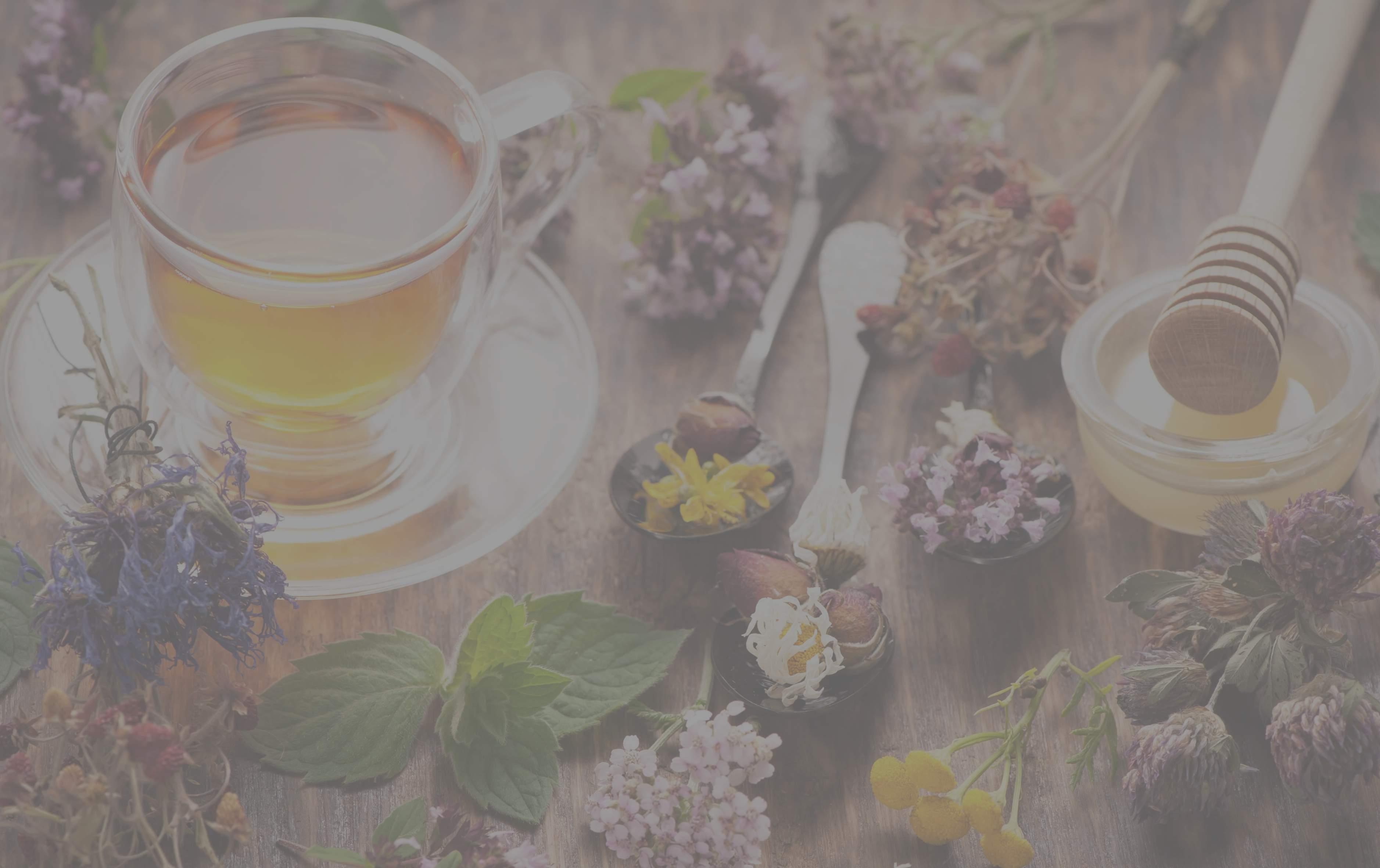
Garlic, oregano oil, goldenseal, and pau d'arco are among the herbs most traditionally used for their antimicrobial properties. They may provide supportive benefits during mild infections.
Garlic: Nature's Broad-Spectrum Antimicrobial
Garlic's active compound, allicin, has been studied for its antibacterial, antiviral, and antifungal properties. Fresh garlic crushed and consumed raw or in tea provides the highest concentration.
Oregano Oil: Potent but Concentrated
Oregano oil contains carvacrol, a compound with significant antimicrobial activity. It's highly concentrated and should always be diluted or taken in capsule form.
When to Seek Professional Care
Natural antimicrobial herbs may support mild conditions but cannot replace antibiotics for serious bacterial infections. Always consult a healthcare provider for persistent symptoms.

Frequently Asked Questions
Can herbal antimicrobials be used alongside antibiotics?
Some herbs may interact with antibiotics. Always inform your healthcare provider of any herbal supplements you're taking.
Are there risks to long-term use?
Prolonged use of strong antimicrobial herbs can potentially disrupt beneficial gut bacteria. Short-term use during illness is generally safer.
This article is for informational purposes only and is not a substitute for professional medical advice. Seek immediate medical attention for serious infections.