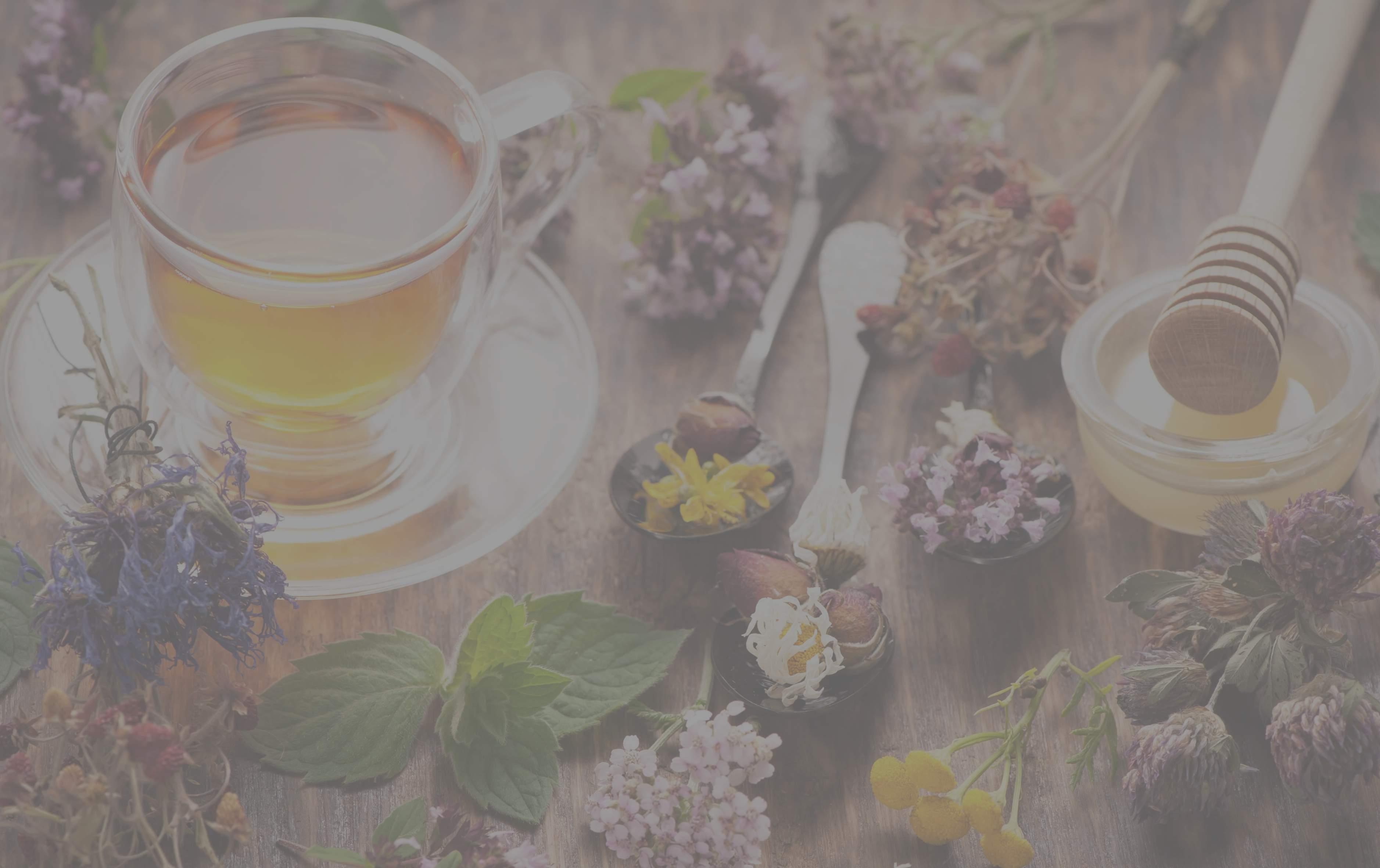
Start with one or two well-researched herbs like chamomile, ginger, or peppermint, learn basic preparation methods, and always research safety information before use. Consistency and simplicity are more important than quantity.
Start With One Herb at a Time
The single most important beginner rule: introduce one new herb at a time, and give it a week or two before adding another. This way, if you have a reaction — good or bad — you know exactly what caused it.
Start With Food-Grade, Well-Known Herbs
You don't need exotic ingredients to start. Ginger, turmeric, garlic, peppermint, and chamomile are widely available, well-studied, and gentle enough for most people to try safely.
Learn the Difference Between Culinary and Medicinal Use
Cooking with a pinch of turmeric is very different from taking a concentrated turmeric supplement. Start with food-level amounts — teas, cooking, infusions — before considering concentrated extracts or capsules.
Keep a Simple Journal
Note what you took, how much, and how you felt over the following days. This is the easiest way to figure out what's actually working for you personally, rather than relying on generic advice.

Frequently Asked Questions
What is the easiest herb for a complete beginner?
Chamomile is one of the gentlest and most widely available herbs. It brews quickly, tastes mild, and has a long safety record.
Do I need special equipment to start?
No — a kettle, a mug, and a strainer are all you need to begin making herbal teas at home.
This article is for informational purposes only and is not a substitute for professional medical advice. Consult a qualified healthcare provider before starting any herbal regimen.